
As couples finalize their wedding plans, many revisit outdoor venues for the first time since booking. That initial visit during golden hour felt magical, but now something seems different. The space looks smaller, the grass appears patchy, or the trees that provided beautiful shade have changed with the season. These concerns are understandable, and differences between your initial tour and your wedding day are worth discussing with your venue team.
The good news is that many of these differences have simple explanations and practical solutions. Understanding why your outdoor wedding venue looks different than expected can help turn worry into confidence as you prepare for your celebration.
In This Post
- Seasonal Changes Affect Venue Appearance
- Lighting Conditions Create Dramatic Differences
- Perspective and Scale Play Tricks
- Weather and Maintenance Timing Matter
- Practical Fixes You Can Implement
Seasonal Changes Affect Venue Appearance
Florida’s seasons may be subtle compared to those in northern states, but they can still affect how an outdoor venue looks throughout the year. A ranch property visited in October may look different in February or June. Live oaks maintain their greenery, while ornamental trees and flowering plants go through periods of dormancy, blooming, and changing foliage.
Grass conditions also shift with rainfall patterns and temperature. The lush green grass you fell in love with during the rainy season may appear more golden during drier months. This is natural for Florida landscapes. Many couples actually appreciate the warm, natural tones of grass during certain seasons because they photograph beautifully and complement a rustic setting.
If you toured during peak bloom and your wedding falls in a different season, ask your venue coordinator what the property typically looks like during your wedding month. Request recent photos from celebrations held around the same time of year. These references can help you understand seasonal changes and plan decor that complements the natural surroundings.
Consider scheduling a second visit closer to your wedding date if possible. Even a quick walk-through three to four weeks before your celebration gives you a better picture of current conditions and helps you finalize any last-minute decor decisions.
Lighting Conditions Create Dramatic Differences
Nothing transforms a space quite like light. The soft glow of late afternoon creates long shadows, warm tones, and a romantic atmosphere that simply cannot be replicated at noon. If you toured your venue during golden hour but your ceremony is scheduled for midday, the same location may feel entirely different.
Harsh midday sun can wash out colors, create strong shadows, and make guests squint. Trees that provided dappled shade in the evening may offer a different amount of shade depending on the sun’s position. Water features that sparkled at sunset might appear less vibrant under direct overhead light.
The solution often involves adjusting your timeline rather than changing your venue. Many couples choose late afternoon ceremonies to capture beautiful natural light for photos and help keep guests comfortable in Florida’s warmth. A 4:30 or 5:00 p.m. ceremony during spring or fall can place your vows and portraits during a more flattering time of day.
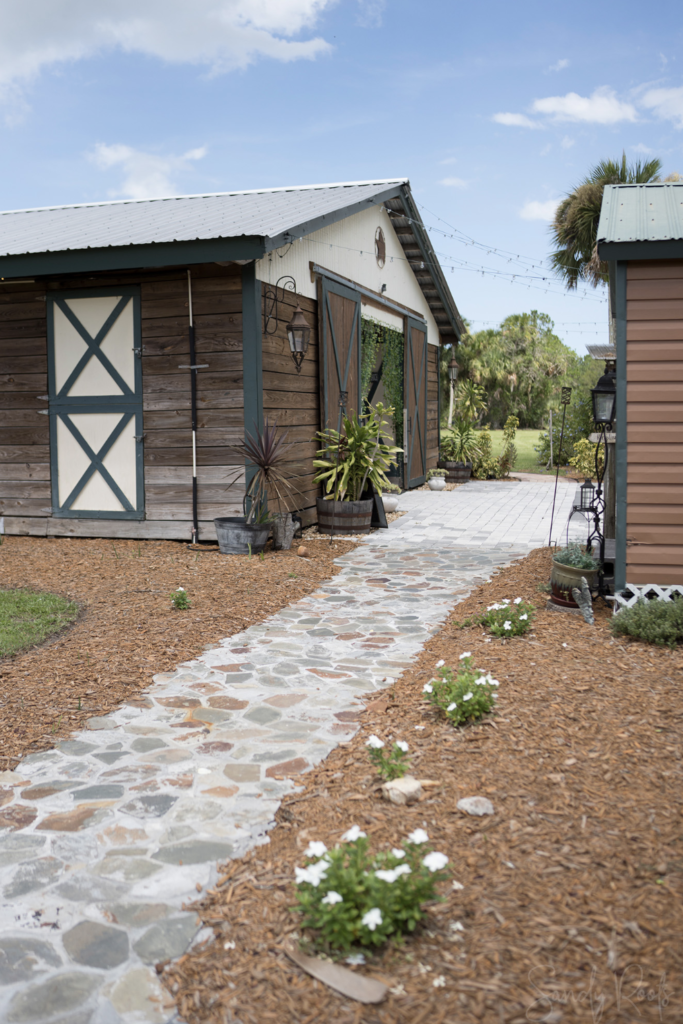
If a midday ceremony is unavoidable, work with your photographer to identify shaded areas for portraits. String lights, market lights, and lanterns add warmth and ambiance as daylight fades. Discuss lighting options with your venue team, as some properties offer installed lighting that creates a welcoming atmosphere for your reception.
Cloud cover also affects how outdoor venues look. An overcast day provides soft, diffused light that photographers often appreciate, but it can make a space feel less vibrant than it did during a sunny tour. Your photographer can help make the most of the available light, and changing weather can add its own character to your wedding photos.
Perspective and Scale Play Tricks
Empty spaces always look different than furnished ones, and this works both ways. A ceremony area that seemed spacious during your tour might feel more intimate once chairs, an arbor, and floral arrangements fill the space. Conversely, a reception area that felt cozy might seem larger before tables and decor are arranged.
Your perception of a space changes when you are alone compared to when you are surrounded by people and furnishings. The same barn that feels quiet during an empty visit can become warm and inviting when filled with guests, music, and the excitement of a celebration. Ask your venue team how they typically arrange the space for your expected guest count.
Photos from previous events can help bridge this gap. Ask to see images from weddings with a guest count similar to yours. Notice how the space transforms with tables, linens, centerpieces, and guests. These examples can help you picture how everything will come together on your wedding day.
If you have concerns about the layout, work with your florist and rental company to create visual focal points. Tall centerpieces draw the eye upward in larger spaces. Lounge furniture creates intimate conversation areas within open spaces. Strategic placement of ceremony decor guides attention and makes the overall layout feel intentional.
Weather and Maintenance Timing Matter
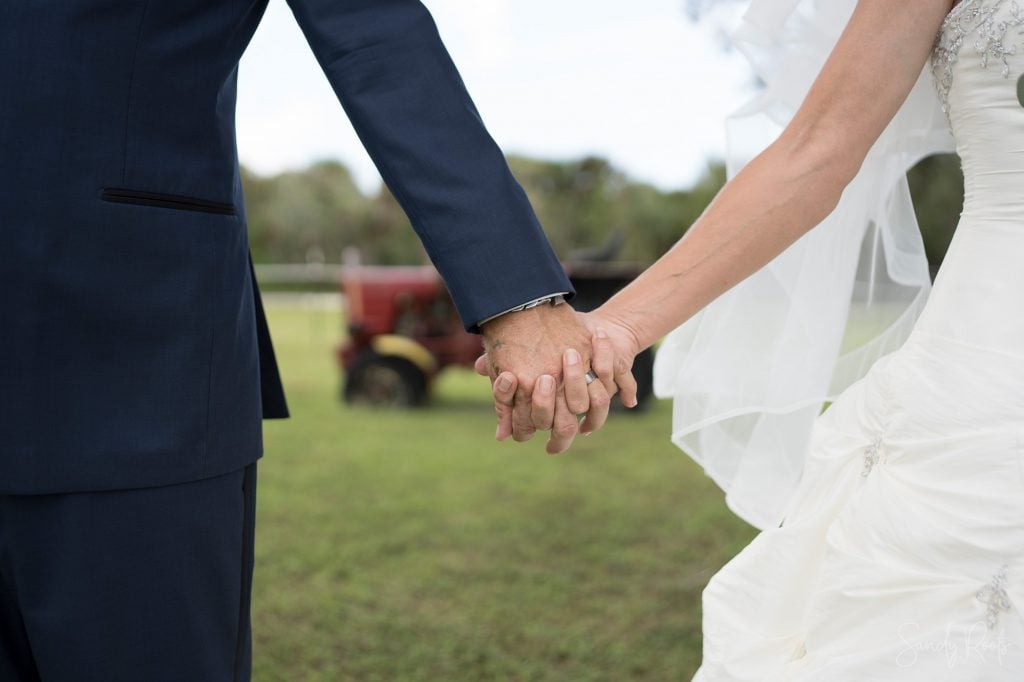
Outdoor venues are living spaces that respond to changing weather conditions. A week of heavy rain can leave grass soggy and pathways muddy. Extended dry spells may cause temporary browning. These conditions can be temporary, but they may cause concern if you happen to visit during a period of changing weather.
Ask your venue about its grounds maintenance schedule and how the property is prepared before weekend celebrations. Grass may be mowed, pathways cleared, and landscaping refreshed as part of regular upkeep. If you visit midweek, the property may look different from how it will appear after its next scheduled maintenance.
Communicate with your venue about any concerns you have regarding specific areas. Good venue teams want couples to feel confident about their celebration. Depending on the property, they may be able to address concerns such as trimming overgrown bushes, adding mulch to bare spots, or adjusting irrigation before your event.
Florida’s unpredictable weather also makes backup planning important. Ask whether your venue offers covered alternatives or tent options in case of rain. Understanding these arrangements allows you to prepare for different conditions and feel more confident about your celebration.
Practical Fixes You Can Implement
Once you understand why your outdoor wedding venue looks different than expected, you can take practical steps to help your wedding day reflect your vision. Start by having an honest conversation with your venue coordinator. Share your concerns and ask for recommendations. An experienced venue team can often suggest ways to address common issues.
Strategic decor placement can solve many visual concerns. Ground-level floral arrangements or potted plants can help cover small bare areas. Fabric draping softens architectural lines. Up-lighting highlights trees and structures as evening approaches. Your florist and decorator can recommend options that work with the existing surroundings.
Adjust your photography timeline to capture the venue at its best. Schedule portraits during golden hour, even if your ceremony takes place earlier. Ask your photographer for a shot list that highlights the property’s strongest features while accounting for any areas of concern.
Consider the guest experience as much as the visual details. Comfortable seating, adequate shade, and convenient access between event spaces matter more than perfectly uniform grass. Guests remember how they felt at your wedding, not whether every blade of grass was the same shade of green. Focus your energy on creating a warm, welcoming atmosphere, and the natural surroundings will help complete the experience.
Finally, embrace the authenticity of an outdoor celebration. Part of choosing a ranch or farm wedding venue is accepting that nature brings its own character. A few wildflowers growing where you did not expect them, a breeze that moves the ceremony draping, or a sunset that paints the sky in unexpected colors all become part of your unique wedding story. These moments of natural beauty cannot be manufactured, and they often become the details couples treasure most when looking back on their day.
Your outdoor wedding venue may not have changed as much as you think. What has changed is your perspective as you move from dreaming to planning. Trust the space, communicate with your team, and remember that wedding day magic comes from the love you share and the people gathered to celebrate with you. The venue provides the backdrop, but you create the memory.
Ready to discuss your vision and address any concerns about your upcoming celebration? We would love to walk the property with you and show you how your wedding day can come together. Visit our website to learn more, explore our wedding packages and pricing, or find Rocking L Ranch on Google Maps for directions. Reach out to start the conversation and schedule a tour.
About Susan Landfried
Susan Landfried is the owner and founder of Rocking L Ranch, the rustic barn wedding venue in Cocoa, Florida. The property began in 2006 as a ten-stall working horse ranch that hosted horse shows, summer riding camps, and children’s riding programs. When her daughter married on the ranch in 2012, Susan began opening it to other couples, and the first public wedding followed in 2013. Today, the lakeside ranch hosts weddings and family celebrations for couples from Brevard County, the Space Coast and East Orlando.